

Bitters Are the Salt of the Cocktail World — Here's How to Use Them
Ask a chef what single ingredient improves almost everything and they'll say salt. Ask a bartender the same question about cocktails and the answer is bitters. A dash or two can sharpen a drink, add depth, and tie disparate flavors together. And yet most home bars have one dusty bottle of Angostura and nothing else. That's like cooking with only salt and never discovering pepper, cumin, or smoked paprika.
Bitters are concentrated flavor extracts made by infusing botanicals — herbs, roots, barks, spices, fruit — in high-proof alcohol. They're bitter by design, but bitterness isn't the point. The point is complexity. A few dashes of the right bitters can turn a flat drink into a layered one, and the effect is often felt more than tasted directly.
The Core Bottles Worth Owning
Angostura is the foundation, and it earns its place. Its clove, cinnamon, and gentian notes work in everything from an Old Fashioned to a Manhattan to a Champagne cocktail. Peychaud's is the second bottle most bartenders reach for — lighter, more anise-forward, and essential to a Sazerac. Orange bitters round out the classic trio and are especially good in Martinis and gin drinks, where a citrus lift balances the botanicals.
Beyond those three, the world opens up. Chocolate bitters bring a dessert-like edge to rum and aged spirits. Celery bitters are a revelation in a Bloody Mary or a gin and tonic. Smoked chili bitters add heat and campfire to mezcal drinks. Grapefruit bitters brighten anything with tequila. You don't need all of them, but having three or four beyond the basics gives you real range.
Use them sparingly. A dash is roughly a quarter-teaspoon, and most drinks call for two or three. More isn't better — bitters can overwhelm a delicate drink fast. Taste as you go, especially when you're working with a new bottle whose intensity you don't yet know.
Beyond the Dash
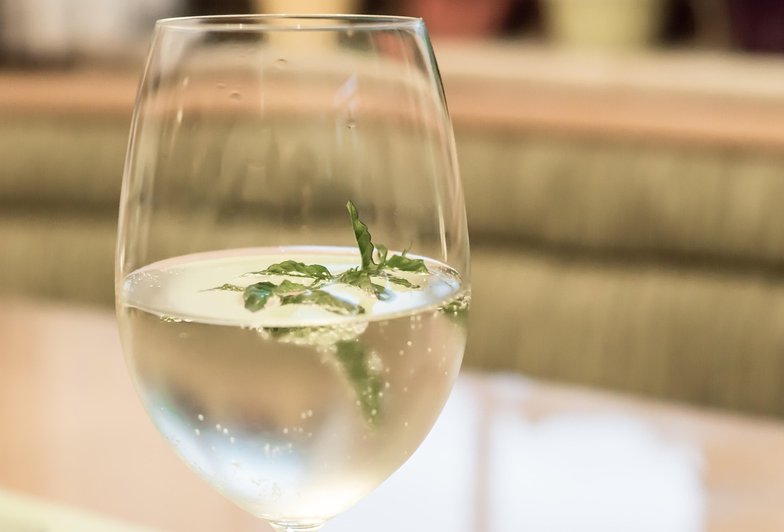
Bitters aren't only for cocktails. A few dashes in soda water make a refreshing, low-alcohol drink that's more interesting than it has any right to be. A dash in a cup of coffee or hot chocolate adds a savory edge. Some people even use aromatic bitters in marinades and salad dressings, where the same logic applies: a little bitterness sharpens everything around it.
The best way to understand bitters is to taste them side by side. Put a drop of Angostura on your tongue, then a drop of Peychaud's, then an orange bitters. Notice how different they are. Then make the same drink twice — once without bitters, once with — and taste the difference. That experiment will teach you more than any article can.
Bitters are small, affordable, and last for years. There's no reason not to explore them. Start with the classics, add one or two unusual bottles, and watch how much more interesting your drinks become. It's the cheapest upgrade your home bar will ever get.



A few dashes can make or break a drink, yet most home bars own exactly one bottle. That's a mistake worth fixing.
The frozen stuff you barely think about is doing more work in your cocktail than almost anything else on the counter.
American rye whiskey didn't disappear because people stopped liking it. It disappeared because of paperwork, politics, and Prohibition.
A real Whiskey Sour is three ingredients, thirty seconds, and a world away from the neon stuff in the plastic jug.
The number on the label tells you how much water the distillery didn't add — and that number matters more than most drinkers realize.