


Why Whiskey and Cigars Still Belong Together (and How to Pair Them)
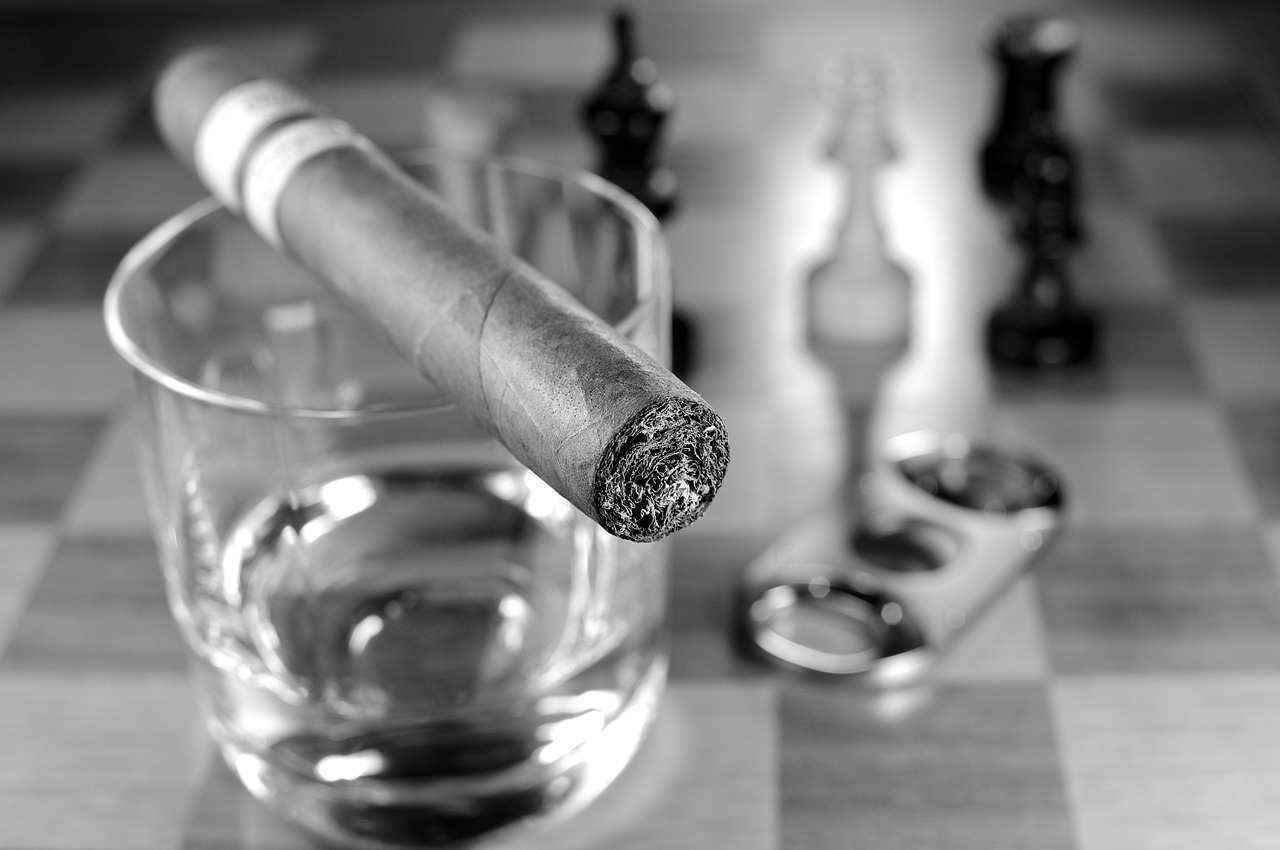
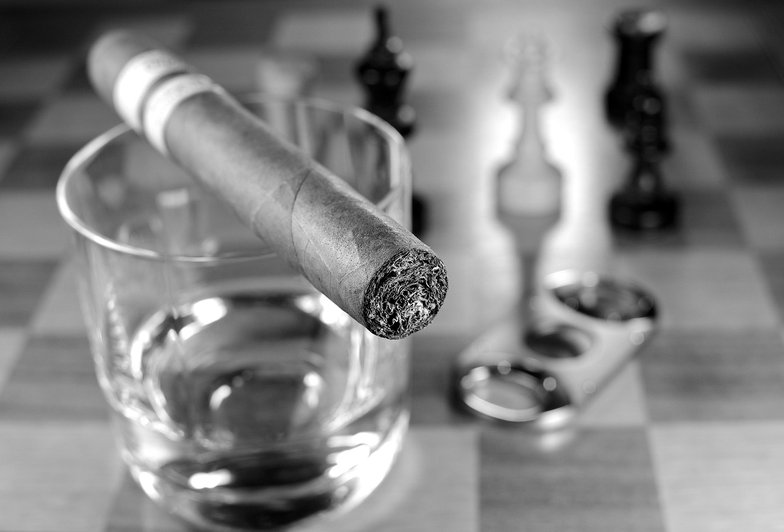
Few pairings carry as much cultural weight as whiskey and a cigar. It's an image that shows up in film, in literature, in the quiet corners of old bars. But strip away the mythology and you're left with something practical: fat, smoke, and sweetness interacting in a way that can be genuinely delicious when it's done with care.
The logic of the pairing is simple. A cigar brings smoke, earth, pepper, and sometimes cream or cocoa. Whiskey brings sweetness, oak, spice, and its own layers of smoke if it's peated. When the two align, they amplify each other. When they clash, you get a mouthful of ash and regret. The difference is mostly about matching intensity and finding complementary flavors.
Matching Strength to Strength
The first rule is balance. A delicate, light-bodied cigar will disappear behind a cask-strength bourbon. A heavy, full-bodied cigar will steamroll a gentle, floral whiskey. You want the two to meet somewhere in the middle, where neither one is shouting over the other.
For a mild, creamy cigar, reach for a wheated bourbon or a smooth Irish whiskey. The softness of the spirit mirrors the softness of the smoke, and the vanilla and honey notes tie together nicely. For a medium-bodied cigar with some pepper and cedar, a rye whiskey or a high-rye bourbon works well — the spice in the drink echoes the spice in the leaf. And for a full, dark, powerful cigar, consider a peated Scotch or an aged rum-finished whiskey. The smoke in the whiskey stands up to the smoke in the cigar instead of retreating from it.
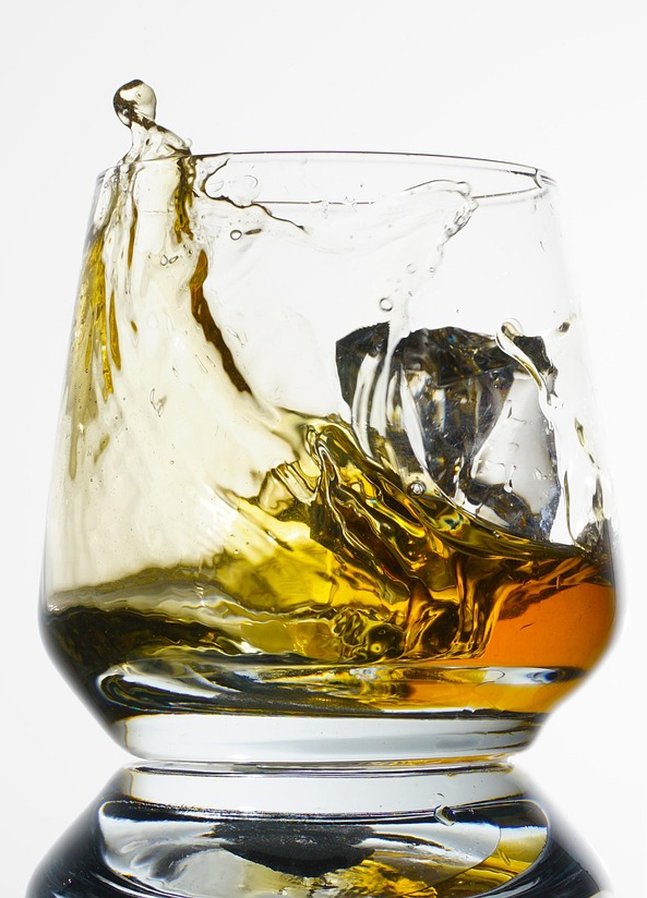
Proof matters too. Higher-proof whiskeys can handle more intensity, but a little water often helps. A few drops open up the spirit and keep the alcohol from numbing your palate, which is the last thing you want when you're trying to taste something carefully.
Slow Down and Pay Attention
The real pleasure of this pairing isn't just flavor — it's pace. A cigar takes an hour or more to smoke. A good pour of whiskey, sipped slowly, lasts about the same. Together they force you to sit still, which is increasingly rare and increasingly valuable.
Don't rush the first third of the cigar. That's where the most delicate flavors live, and it's the best moment to taste your whiskey alongside it. As the cigar develops and grows stronger, let your whiskey keep pace. Notice how the flavors shift as both evolve. That's the whole point — not to chase a perfect match, but to enjoy the conversation between them.
You don't need an expensive bottle or a rare cigar to make this work. You need attention, a comfortable chair, and enough time to let the experience unfold. That's what the ritual has always been about, and it's why it survives.






The classic combination endures for a reason — when the match is right, each makes the other taste better.
A few dashes can make or break a drink, yet most home bars own exactly one bottle. That's a mistake worth fixing.
The frozen stuff you barely think about is doing more work in your cocktail than almost anything else on the counter.
American rye whiskey didn't disappear because people stopped liking it. It disappeared because of paperwork, politics, and Prohibition.
A real Whiskey Sour is three ingredients, thirty seconds, and a world away from the neon stuff in the plastic jug.