



The Whiskey Sour Deserves Better Than Sour Mix
The Whiskey Sour has a reputation problem. Say the words out loud and a lot of people picture a sticky, neon-yellow drink from a chain restaurant, made with a powdered mix and topped with a maraschino cherry. That drink is not a Whiskey Sour. It's a sweet, artificial approximation of one, and it has done real damage to a cocktail that, made properly, is one of the most elegant and adaptable drinks in the canon.
A real Whiskey Sour is whiskey, lemon juice, and sugar — that's it. The magic is in the balance. Too much lemon and it's sharp and unpleasant. Too much sugar and it's cloying. Get it right and you have a drink that's bright, refreshing, and still tastes like whiskey. It's a template, not a recipe, and once you understand the template you can apply it to almost any spirit.
The Ratio That Actually Works
The classic starting point is two parts whiskey, three-quarters part fresh lemon juice, and three-quarters part simple syrup. That's a 2:0.75:0.75 ratio, and it's a good place to begin. But it's not gospel. A high-proof bourbon can take a little more sugar. A softer, lower-proof whiskey might need less. A particularly tart lemon might need an extra barspoon of syrup. Taste as you go, and adjust.
The one thing you should never compromise on is fresh citrus. Bottled lemon juice tastes flat and slightly metallic, and it will ruin the drink. Squeeze the lemon when you make the drink. It takes thirty seconds and it's the single biggest upgrade you can make. If you're making several, squeeze them all at once and strain out the pulp and seeds.
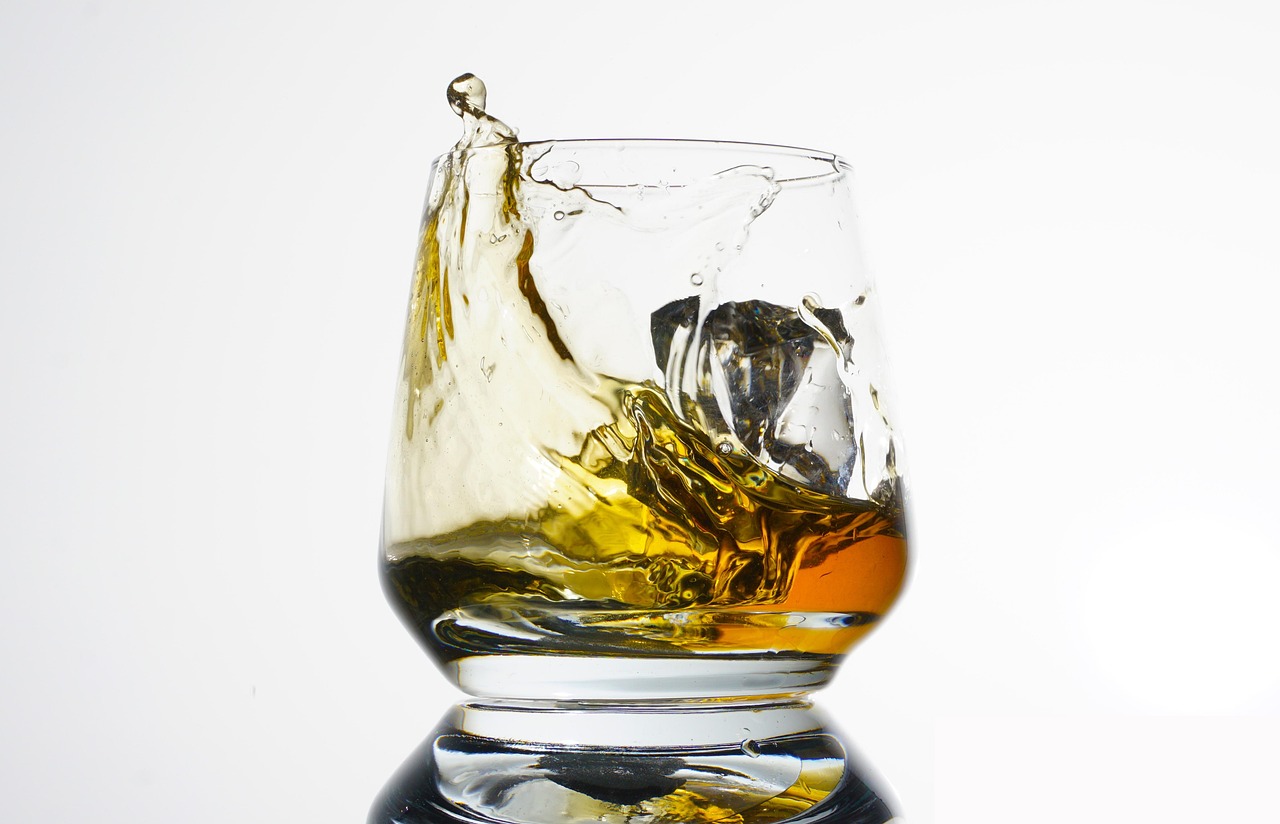
Shake it hard with ice, then strain into a glass. You can serve it up in a coupe or on the rocks in a lowball — both are correct, and it's a matter of mood. The shake is important: it chills the drink, dilutes it slightly, and aerates it, giving the finished cocktail a silky texture that stirring won't produce.
The Egg White Question, and Where to Go From Here
Add an egg white and you have a Boston Sour, and the drink becomes something else entirely — creamy, foamy, almost dessert-like on top while still sharp underneath. The technique matters: dry-shake the whiskey, lemon, syrup, and egg white without ice first to build the foam, then add ice and shake again to chill. Strain into a chilled glass and let it sit for a moment so the foam settles. A drop or two of Angostura bitters on top of the foam is traditional and looks great.
From there, the variations are endless. Swap the whiskey for gin and you have a Gin Sour. Swap it for rum and you have a Daiquiri, which is the same drink wearing different clothes. Add a splash of red wine floated on top and you have a New York Sour, which is as good as it sounds. Add orange juice and you're drifting toward a Ward Eight. The formula is forgiving and endlessly flexible.
What all of these have in common is that they're made from real ingredients, measured with a little care, and shaken with intention. None of that is hard. It just requires deciding that the drink is worth thirty seconds of effort. It is.





A real Whiskey Sour is three ingredients, thirty seconds, and a world away from the neon stuff in the plastic jug.
The number on the label tells you how much water the distillery didn't add — and that number matters more than most drinkers realize.
Whiskey pairing isn't just for cigars and steak. The right bottle can transform a meal, and the wrong one can ruin it.
Before craft cocktail menus and smoked glassware, there was whiskey, sugar, bitters, and time — and that's still enough.
Smoke, iodine, and sea spray can be shocking at first sip, but peat is one of the most rewarding flavors in all of whiskey.