



Rye's Comeback Is Not a Trend — It's a Correction
There's a version of the rye whiskey story that gets told a lot: rye was the dominant American spirit, then bourbon came along and everyone forgot about it, and now it's having a trendy revival. That version is tidy. It's also mostly wrong. Rye didn't lose to bourbon because drinkers preferred corn. It lost because of Prohibition, then a war, then a labeling quirk that made rye legally inconvenient to sell. What we're watching now isn't a fad. It's a slow return to something that was always there.
Before Prohibition, rye was the whiskey of the Northeast and the Mid-Atlantic. Pennsylvania, Maryland, and New York produced rye in enormous quantities, and it was the default whiskey in many American bars. Bourbon existed, but it was a regional specialty, not the national standard. Then Prohibition shut down the distilleries, and when it ended, the industry that rebuilt itself was smaller, more consolidated, and heavily influenced by the big Kentucky bourbon houses that had survived by making medicinal whiskey. Rye got squeezed.
The Labeling Problem That Buried Rye
Here's the part most people don't know. For decades, American whiskey labeling was loose enough that distillers could sell rye whiskey under a label that said something else, or blend it into products that didn't mention rye at all. Bourbon was the safer bet commercially — it was what the surviving distilleries had barrels of, and it was what the marketing machinery of the mid-century pushed. Rye didn't vanish from the shelves entirely, but it became a niche product, often cheap, often overlooked, and frequently mixed into things where its character got lost.
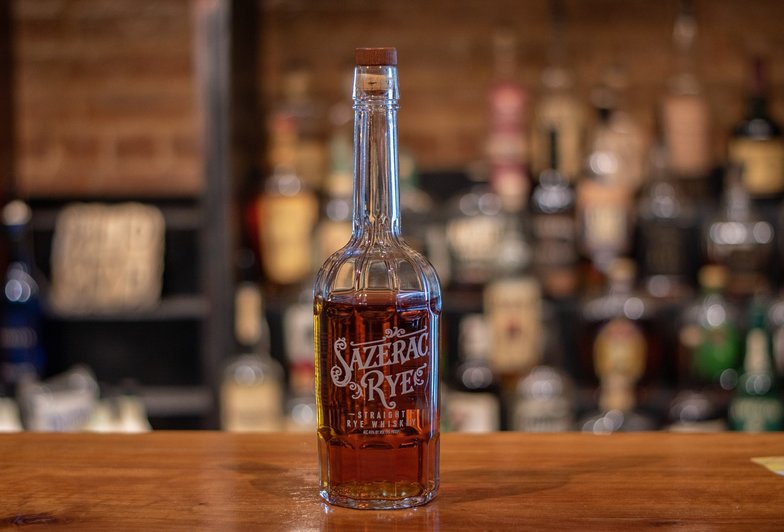
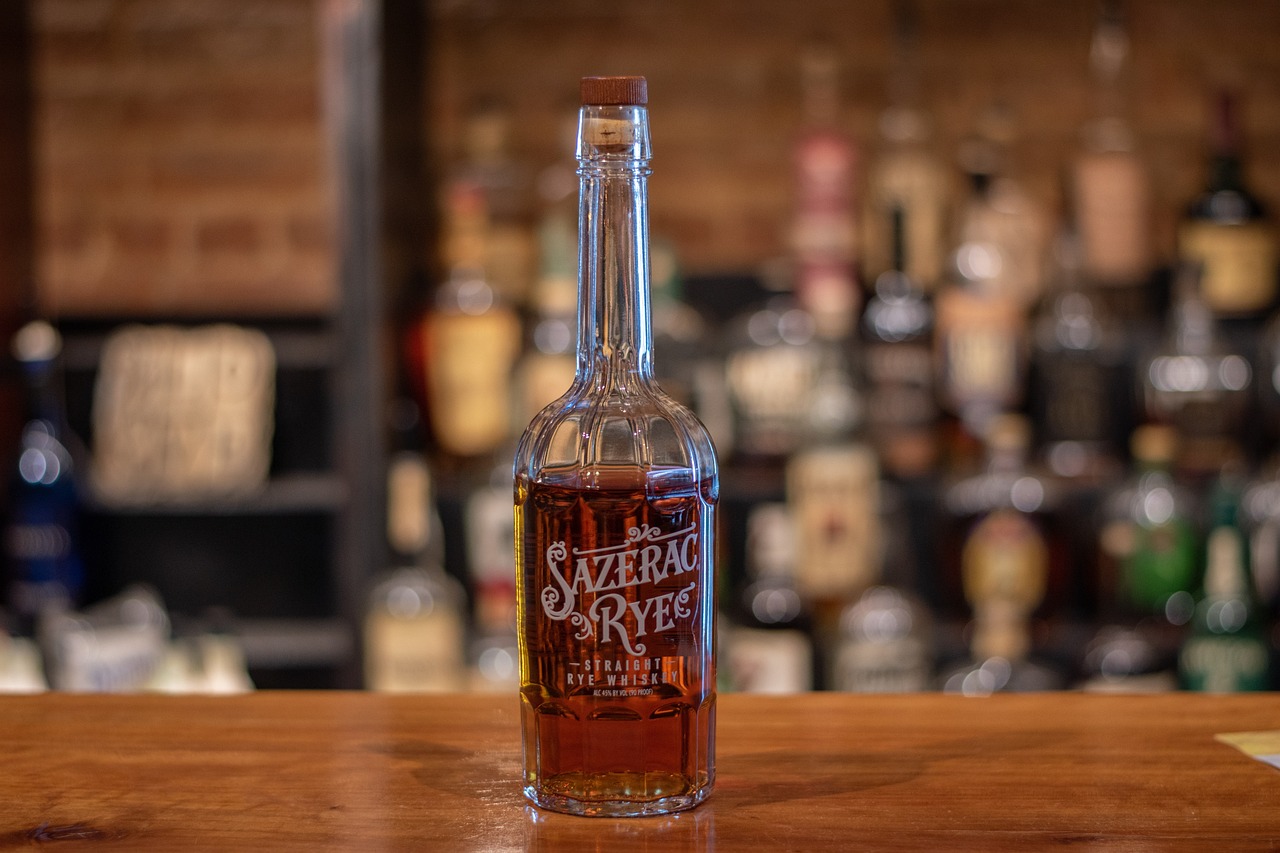
The cocktail revival of the 2000s changed the math. Bartenders rediscovered classic recipes — the Manhattan, the Sazerac, the Vieux Carré — and realized these drinks were built for rye, not bourbon. Rye's spicier, drier, more peppery profile cuts through sweet vermouth and bitters in a way that bourbon, with its corn sweetness, doesn't always manage. Once bartenders started asking for rye, distributors started stocking it, and once it was on the shelf, drinkers started buying it.
What Rye Actually Tastes Like, and Why It Matters
Rye whiskey is required by U.S. law to be made from at least 51 percent rye grain. The rest is usually corn and barley, and the ratios matter enormously. A high-rye mash bill — say 95 percent rye — produces a whiskey that's grassy, herbal, and sharply spicy, almost abrasive when young. A barely-legal rye at 51 or 53 percent is rounder, sweeter, and closer to bourbon in character. Neither is better; they're different tools.
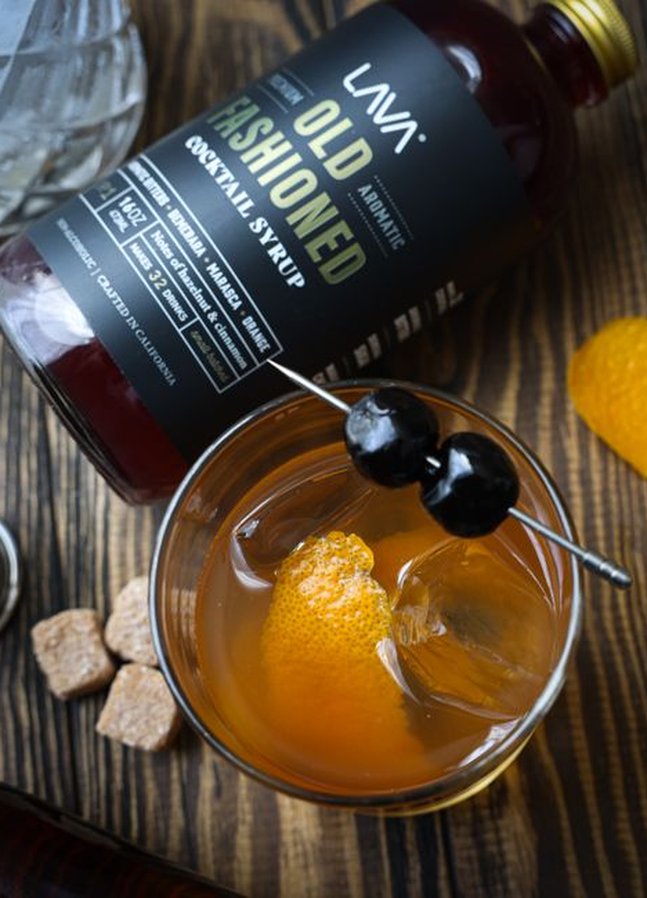
That range is exactly why rye works so well in cocktails. A high-rye bottle gives a Manhattan a backbone that stands up to a rich vermouth. A softer rye makes a gentler Old Fashioned. Try the same drink with two different ryes and you'll understand why bartenders got obsessive about this.
The current rye boom is real, but it's not a bubble. It's a correction — the market rediscovering a spirit that was never actually bad, just buried under decades of bad luck and worse marketing. If you've been drinking bourbon and wondering what the fuss is about, buy a bottle of rye, make a Manhattan, and taste the difference. You'll get it.

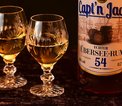




American rye whiskey didn't disappear because people stopped liking it. It disappeared because of paperwork, politics, and Prohibition.
A real Whiskey Sour is three ingredients, thirty seconds, and a world away from the neon stuff in the plastic jug.
The number on the label tells you how much water the distillery didn't add — and that number matters more than most drinkers realize.
Whiskey pairing isn't just for cigars and steak. The right bottle can transform a meal, and the wrong one can ruin it.
Before craft cocktail menus and smoked glassware, there was whiskey, sugar, bitters, and time — and that's still enough.