


The Case for Drinking Whiskey With Food (Not Just After It)
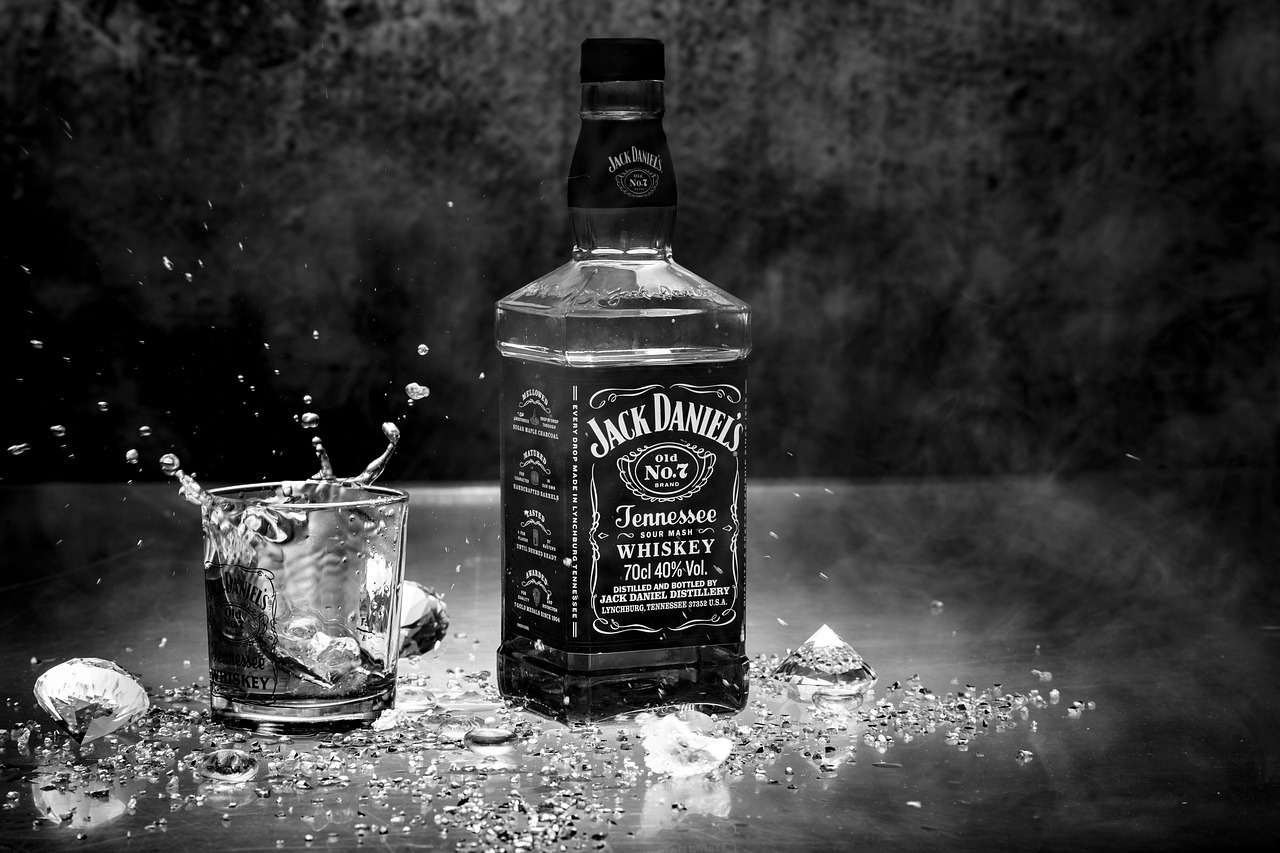
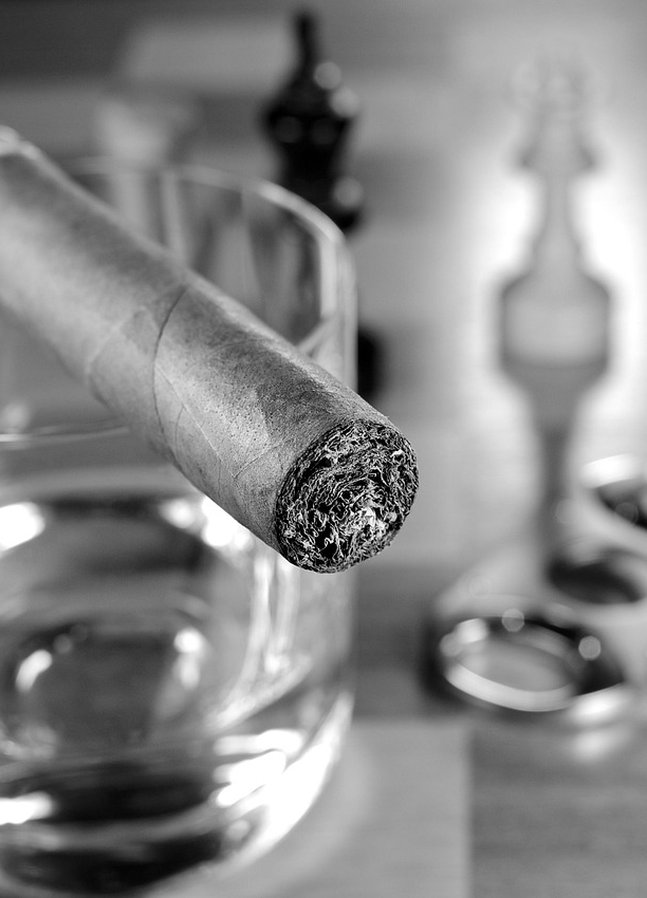
Whiskey has a strange place at the table. It's usually an after-dinner drink, or a before-dinner drink, or a drink that exists entirely outside the meal. Cigars and steak get mentioned constantly. But whiskey is a food-friendly spirit in ways that wine and beer are not, and pairing it deliberately with a meal can be one of the most rewarding things you do with a bottle.
The reason is simple: whiskey has a huge range of flavor. It can be sweet, smoky, spicy, fruity, or herbal, and those flavors interact with food in predictable, useful ways. A smoky Islay Scotch with grilled salmon is a different experience than the same Scotch with a piece of dark chocolate. Neither is wrong, but they're doing different things, and knowing which is which makes the pairing intentional instead of accidental.
The Basic Rules (and When to Break Them)
The first rule is to match intensity. A delicate, floral Irish whiskey will disappear next to a heavily spiced chili. A cask-strength bourbon will overwhelm a light salad. Find the middle ground, where the whiskey and the food are roughly the same weight in your mouth.
The second rule is to think about sweetness. Whiskey often has a sweet backbone from the grain and the barrel, and that sweetness can either complement or clash with the food. A honeyed, corn-forward bourbon works beautifully with roasted vegetables and caramelized onions. A dry, spicy rye is better with cured meats and sharp cheese, where its bite cuts through fat.
The third rule is smoke. Peated whiskey is a strong, specific flavor, and it needs food that can stand up to it. Smoked fish, grilled meat, and aged cheddar all work. Delicate dishes do not. If you're not sure, keep the peated bottle for after the meal and pour something gentler with the food.
Where the rules break is when you're deliberately chasing contrast. A sweet dessert with a smoky whiskey can be excellent, because the smoke gives the sugar something to push against. A bright, high-acid dish with a rich, oaky whiskey can work for the same reason. Contrast is riskier than matching, but the payoff is higher.
Three Pairings Worth Trying Tonight
Start with a wheated bourbon and a plate of aged gouda or a sharp cheddar. The softness of the wheat lets the cheese's tang come forward, and the caramel notes in the whiskey bridge the two. This is one of the easiest, most reliable pairings in whiskey, and it's a good first experiment.
Next, try a rye whiskey with charcuterie — soppressata, prosciutto, a little mustard. The pepper and spice in the rye mirror the spice in the meat, and the whiskey's dryness keeps the fat from feeling heavy. This is a pairing that makes both the food and the drink taste better than they do alone.
Finally, try a lightly peated Scotch with grilled salmon or a smoked trout fillet. The smoke in the whiskey echoes the smoke in the fish, and the malt sweetness rounds out the edges. If you've been skeptical about peated whiskey, this is the pairing that might change your mind.
None of this requires a sommelier's vocabulary or a special occasion. It requires a bottle, a plate, and a willingness to taste deliberately. Pour a small amount, take a bite, take a sip, and notice what happens. That's the whole method.






Whiskey pairing isn't just for cigars and steak. The right bottle can transform a meal, and the wrong one can ruin it.
Before craft cocktail menus and smoked glassware, there was whiskey, sugar, bitters, and time — and that's still enough.
Smoke, iodine, and sea spray can be shocking at first sip, but peat is one of the most rewarding flavors in all of whiskey.
You don't need a wall of bottles to make great drinks — you need the right eight, chosen with intention.
The classic combination endures for a reason — when the match is right, each makes the other taste better.