


What Barrel Proof Actually Means, and Why It Changes Everything
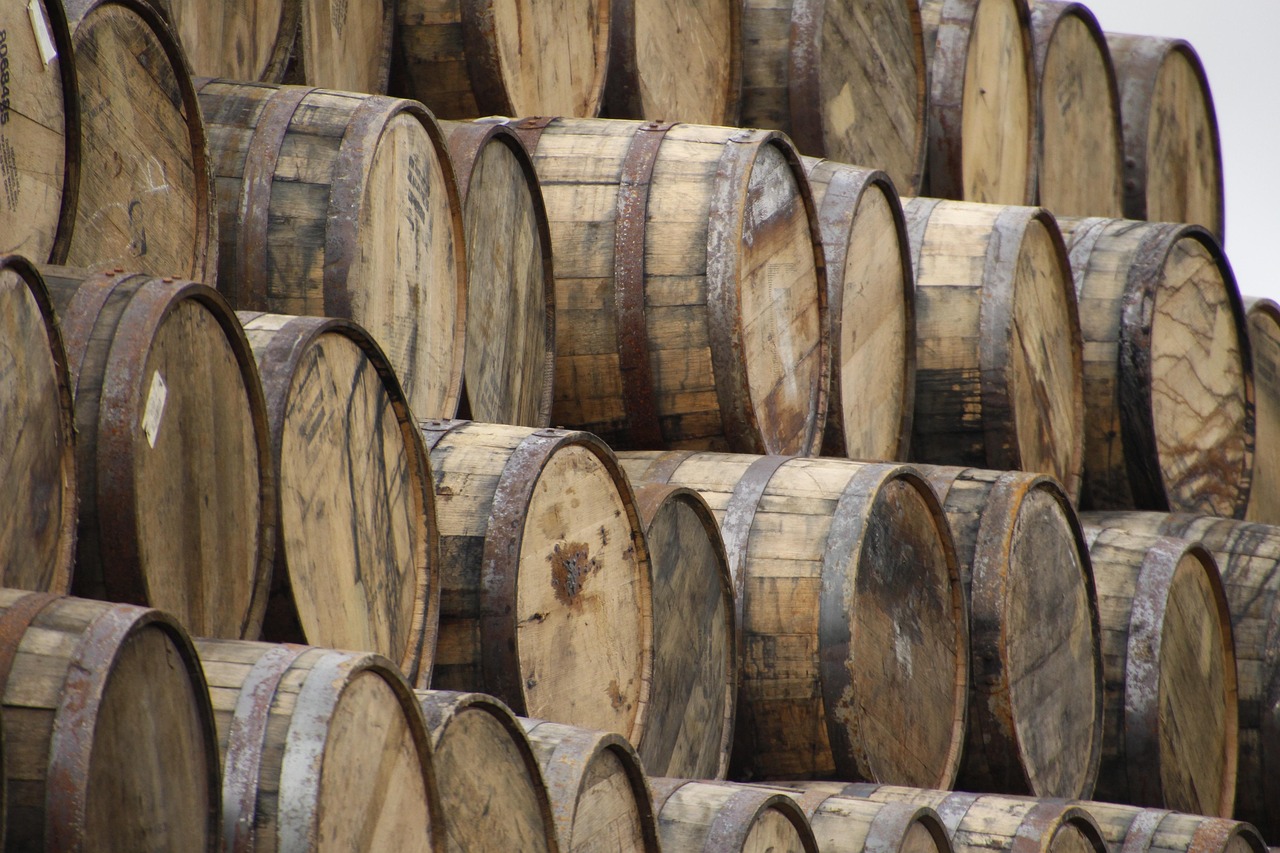
Walk down the whiskey aisle and you'll see bottles marked with numbers that don't appear on most other spirits: 92 proof, 100 proof, 115 proof, 130 proof. Some labels say "barrel proof" or "cask strength" or "full proof." These aren't marketing gimmicks. They're a statement about what's in the bottle and how it got there, and understanding them changes the way you drink whiskey.
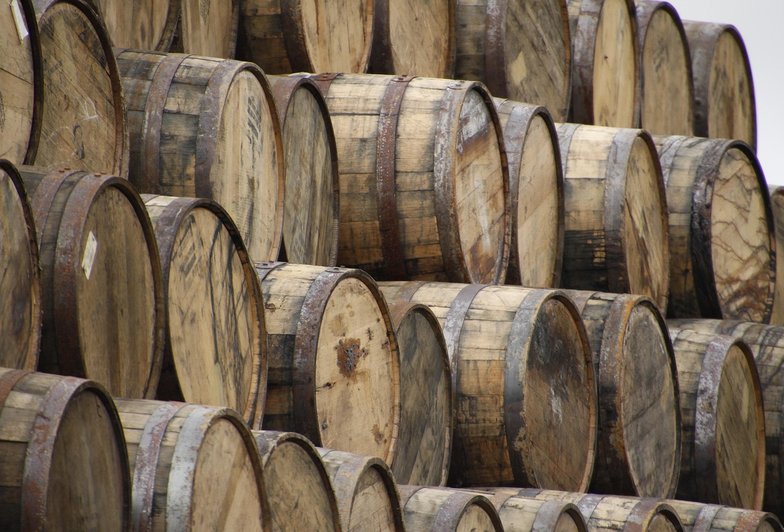
Here's the basic idea. Whiskey comes out of the barrel at whatever strength the distillery's process and the aging environment produced — often somewhere between 100 and 140 proof. Most whiskey is then diluted with water to a standard bottling strength, usually 80 to 90 proof, because that's what the market has historically expected and because a lower proof stretches the product further. Barrel proof whiskey skips that step. What comes out of the barrel goes into the bottle, more or less unchanged.
Why Higher Proof Isn't Just Stronger
The obvious difference is alcohol content, but that's the least interesting part. Higher-proof whiskey carries more of the barrel's character — more of the oils, esters, and compounds that give whiskey its flavor. Diluting a whiskey to 80 proof doesn't just lower the alcohol; it also mutes some of the aroma and complexity. Barrel proof whiskey hits you with everything the barrel had to offer, which is why enthusiasts often describe it as more intense, more layered, and more interesting than its diluted counterparts.
That intensity is also why barrel proof whiskey is so good for cocktails. A 120-proof bourbon in an Old Fashioned needs less dilution from ice and stirring to reach a balanced state, and it holds up to strong modifiers like bitters and vermouth without getting lost. A high-proof rye makes a Manhattan that tastes like a Manhattan instead of a sweet, watery shadow of one.
There's also the water question. Adding a few drops of water to a barrel proof whiskey is not cheating — it's a deliberate technique. A small amount of water can open up aromas that were locked down by the alcohol, making the whiskey more expressive. The key is to add it gradually, a few drops at a time, and taste as you go. Many distilleries will tell you the exact proof they think their whiskey is best at, and it's almost never the barrel proof.
How to Shop for It Without Overpaying
Barrel proof whiskey tends to cost more than standard bottlings, partly because there's less of it — dilution increases volume — and partly because it's positioned as a premium product. But not all barrel proof releases are worth the markup. Some are young, hot, and harsh, and the high proof just amplifies flaws that dilution would have hidden. Others are genuinely exceptional and worth every dollar.
The way to tell the difference is to taste before you commit, if you can. Look for barrel proof releases from distilleries you already trust, and read reviews that talk about balance rather than just proof. A 130-proof whiskey that's well-made will taste rich and full, not like a punch in the mouth. If it tastes harsh, that's not a sign of quality — it's a sign that the whiskey wasn't ready.
Start with a bottle from a distillery whose standard release you already like. Try it neat, then with a few drops of water, then in a cocktail. You'll learn more about whiskey in that one bottle than you would from a dozen standard-strength pours, because you'll be tasting the spirit before anyone decided what it should taste like.





The number on the label tells you how much water the distillery didn't add — and that number matters more than most drinkers realize.
Whiskey pairing isn't just for cigars and steak. The right bottle can transform a meal, and the wrong one can ruin it.
Before craft cocktail menus and smoked glassware, there was whiskey, sugar, bitters, and time — and that's still enough.
Smoke, iodine, and sea spray can be shocking at first sip, but peat is one of the most rewarding flavors in all of whiskey.
You don't need a wall of bottles to make great drinks — you need the right eight, chosen with intention.