


How Ice Quietly Became the Most Important Ingredient in Your Glass
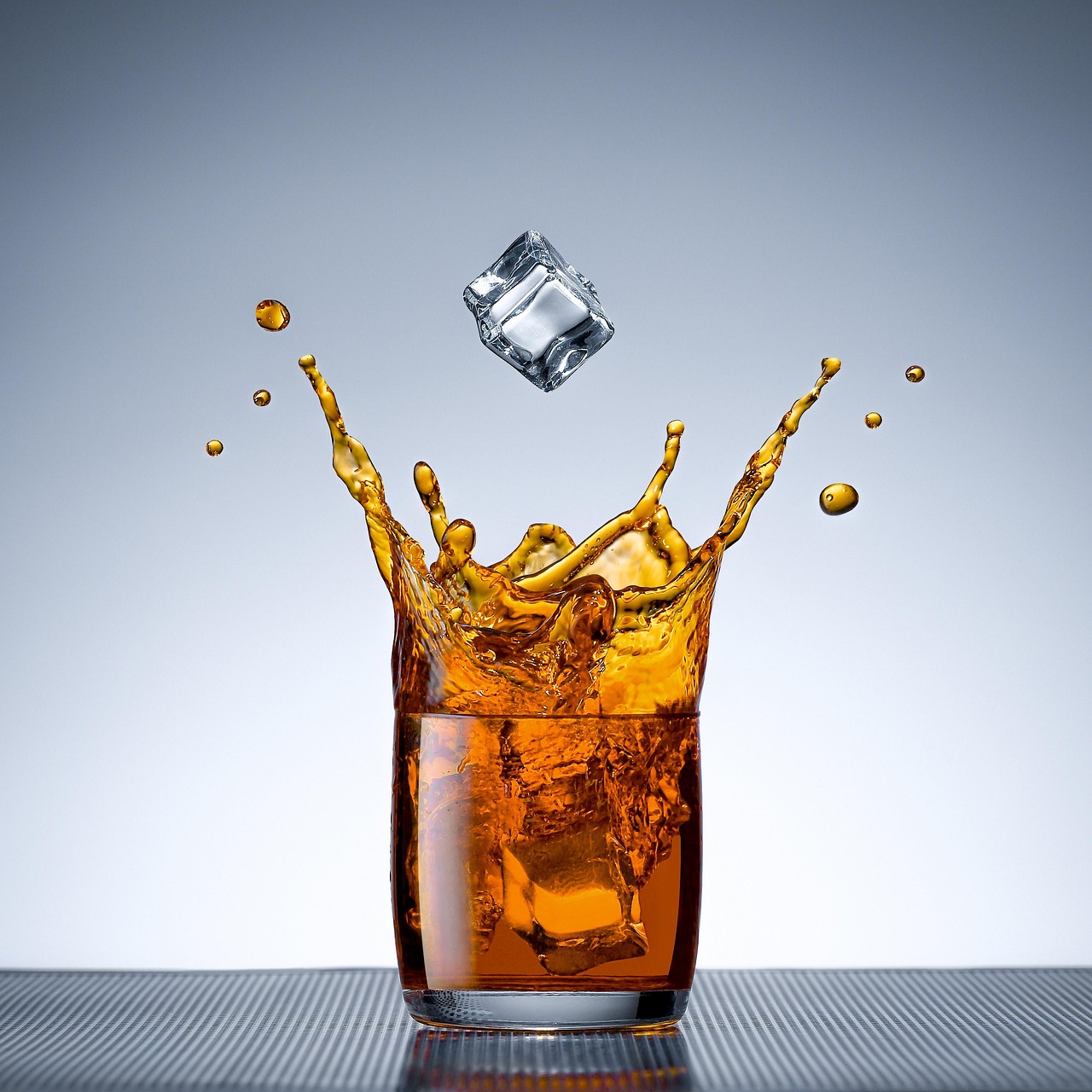
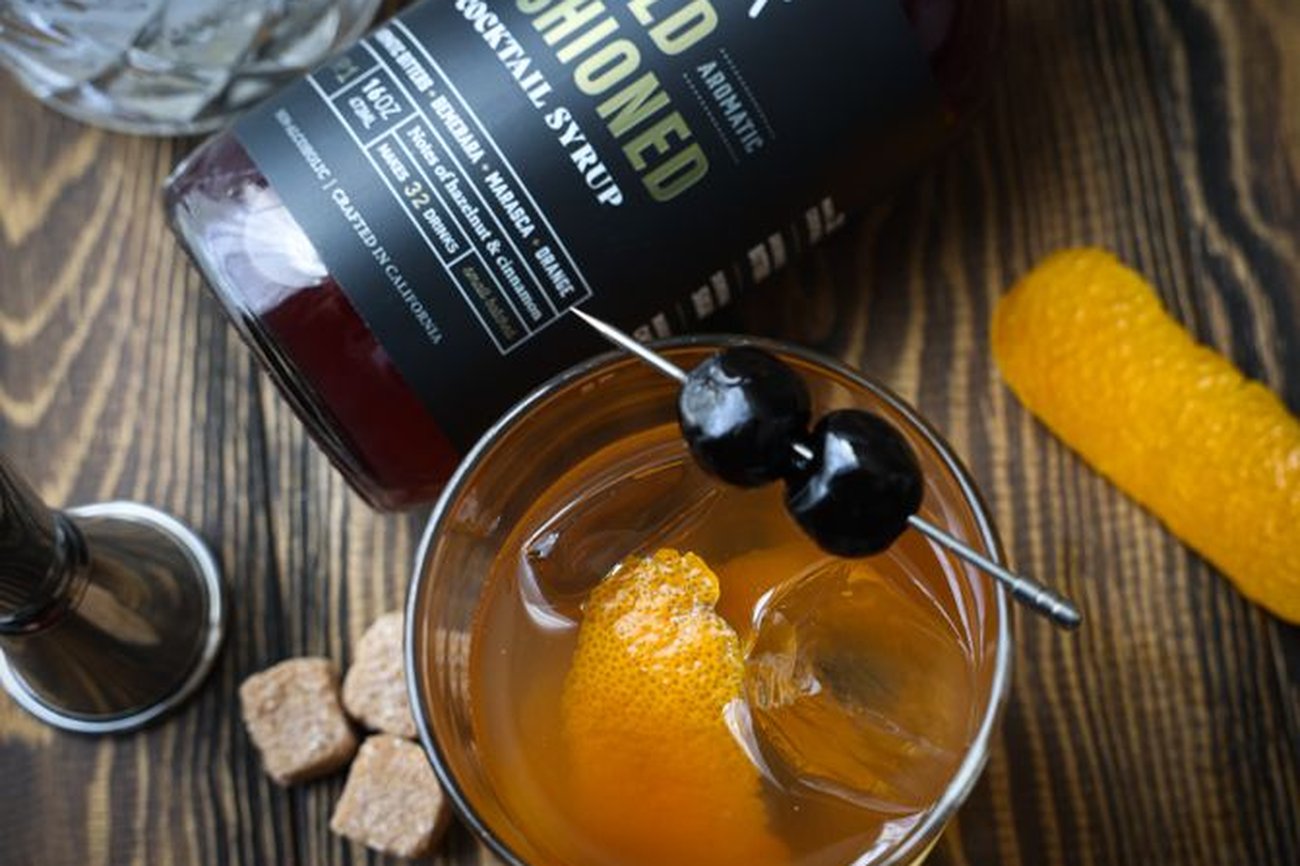
Ask a room of home bartenders what makes a good Old Fashioned and you'll hear about the whiskey, the bitters, maybe the orange peel. Almost nobody mentions the ice. And yet ice is the ingredient you're adding the most of by volume — it's chilling your drink, controlling how fast it dilutes, and in the case of a whiskey on the rocks, shaping the entire experience from first sip to last. Treat it like an afterthought and your cocktails will taste like it.
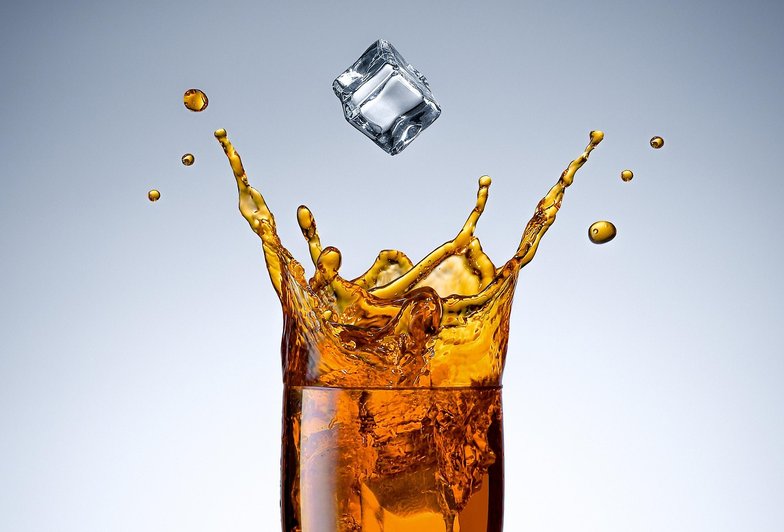
The physics here is simple. Ice doesn't just cool a drink; it melts, and that melt is water entering your glass. A cocktail that sits too long over small, wet cubes becomes a sad, watery version of what you built. A cocktail built over one big, cold, dense cube evolves slowly, opening up as it dilutes. The goal isn't to avoid dilution — a properly balanced drink is designed around it. The goal is to control the pace.
The Case for Big, Clear Cubes
Surface area is everything. Crushed ice has enormous surface area and melts fast, which is why it's perfect for tiki drinks and juleps where you want rapid, aggressive chilling and dilution. A single two-inch cube has far less surface area relative to its volume, so it melts slowly and evenly, which is exactly what you want for spirits-forward drinks like an Old Fashioned, a Sazerac served on ice, or a whiskey neat-adjacent pour you plan to nurse.
Clear ice matters too, though not for the reason most people assume. Cloudy ice isn't dangerous or inferior in flavor — the cloudiness comes from trapped air bubbles and dissolved minerals. But clear ice is denser and melts more slowly, and it looks dramatically better in the glass. You can make it at home without a fancy machine: freeze water in a small cooler with the lid off, let it freeze from the top down over about a day, then chip away the cloudy bottom portion. What's left is a block of crystal-clear ice you can break into large cubes with a fork and a little patience. It's a small project that pays off every time you pour.
What to Actually Do Differently
Start with colder ice. Ice straight from the freezer is colder than ice sitting in a wet bucket, and colder ice melts more slowly at first. If your freezer's ice maker produces small, hollow, wet cubes, consider upgrading to silicone trays that make larger blocks. Fill them with filtered water if your tap water tastes like anything at all, because you will taste it once the ice melts.
Match the ice to the drink. Big cube for spirit-forward sipping. Crushed or pebble ice for smashes, juleps, and anything tropical. Standard cubes for shaking and stirring, where the ice's job is done by the time it hits the glass and only serves to keep things cold afterward.
And stop over-shaking. When you shake a cocktail, you're not just chilling it — you're aerating and diluting it. Fifteen seconds of hard shaking gets a drink cold and properly diluted. Thirty seconds gets it cold and watery. The same logic applies to stirring: a good stir is deliberate and steady, not frantic, and it takes about twenty to thirty seconds to reach the right temperature and dilution for most stirred drinks.
None of this requires new bottles or expensive gear. It requires paying attention to the one thing you've been ignoring. Ice is cheap, and it's the difference between a drink that tastes intentional and one that tastes like it gave up halfway through.






The frozen stuff you barely think about is doing more work in your cocktail than almost anything else on the counter.
American rye whiskey didn't disappear because people stopped liking it. It disappeared because of paperwork, politics, and Prohibition.
A real Whiskey Sour is three ingredients, thirty seconds, and a world away from the neon stuff in the plastic jug.
The number on the label tells you how much water the distillery didn't add — and that number matters more than most drinkers realize.
Whiskey pairing isn't just for cigars and steak. The right bottle can transform a meal, and the wrong one can ruin it.