



The Home Bar Starter Kit: Eight Bottles That Cover Almost Everything
Walk into a well-stocked cocktail bar and you'll see hundreds of bottles, most of which you'll never need at home. The truth is that a small, carefully chosen collection can make dozens of classic cocktails, and it will cost far less than the fully loaded cart you see on social media. The goal isn't variety for its own sake. It's coverage — bottles that work alone and in combination.
Start with the spirits that anchor the major cocktail families. You want a bourbon, a rye, a London dry gin, a white rum, a reposado tequila, a sweet vermouth, a dry vermouth, and a bottle of Angostura bitters. That's eight items, and with them you can build an Old Fashioned, a Manhattan, a Martini, a Daiquiri, a Margarita, a Negroni (add Campari and you're set), and more. Everything else is expansion, not foundation.
Choose Quality Without Overthinking It
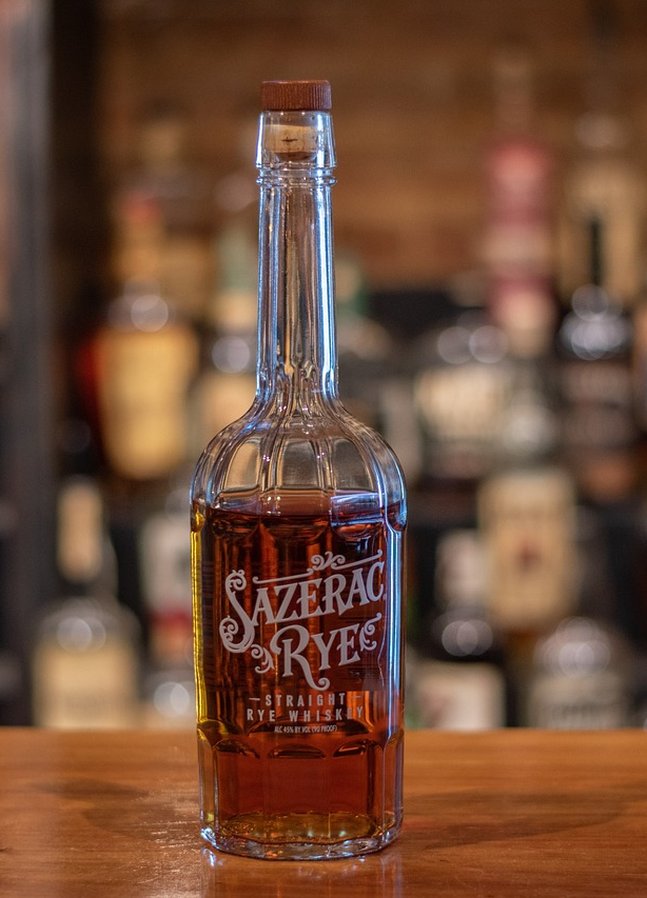
For bourbon, look for something around 90 proof with a straightforward profile — caramel, vanilla, a little spice. You're not chasing rarity here; you're looking for a workhorse. The same logic applies to rye: a solid mid-shelf bottle will do everything you need, whether it's rounding out a Manhattan or adding backbone to a Sazerac.
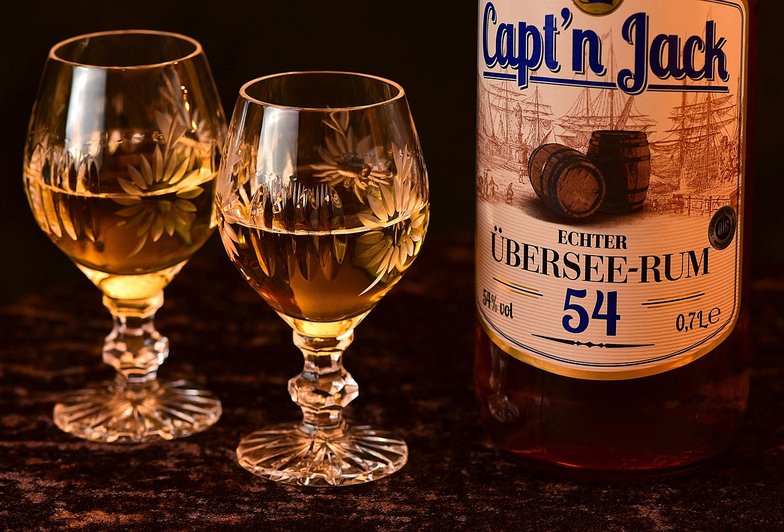
London dry gin is the most versatile style for cocktails. It's juniper-forward and crisp, which means it plays well with vermouth, citrus, and tonic. Save the botanical-heavy gins for sipping or for drinks where you want them to be the star. For rum, a clean white expression covers the Daiquiri and Mojito territory, while an aged rum can come later if you fall in love with tiki drinks.
Vermouth deserves special attention because it's the ingredient most home bartenders get wrong. It's wine, not spirits, and it oxidizes. Buy small bottles, store them in the fridge, and replace them every few months. A tired vermouth will ruin a Martini faster than a bad gin will.
Tools and Technique Matter More Than Bottles
A shaker, a jigger, a bar spoon, a strainer, and a decent knife will take you further than a rare bottle ever will. Measure your ingredients — free-pouring looks cool and tastes inconsistent. Chill your glassware. Use fresh citrus, never bottled juice. These small habits separate a drink that's fine from one that's genuinely good.
Once your eight bottles feel comfortable, expand deliberately. Add Campari for bitter aperitivo drinks. Add a smoky Scotch for depth. Add a bottle of maraschino liqueur if you want to explore the classics that call for it. But resist the urge to buy everything at once. A home bar grows best when each bottle has a purpose and a drink it belongs to.
The best home bar isn't the biggest one. It's the one you actually use — the one where you know every bottle and can make something excellent on a Tuesday night without thinking twice.







You don't need a wall of bottles to make great drinks — you need the right eight, chosen with intention.
The classic combination endures for a reason — when the match is right, each makes the other taste better.
A few dashes can make or break a drink, yet most home bars own exactly one bottle. That's a mistake worth fixing.
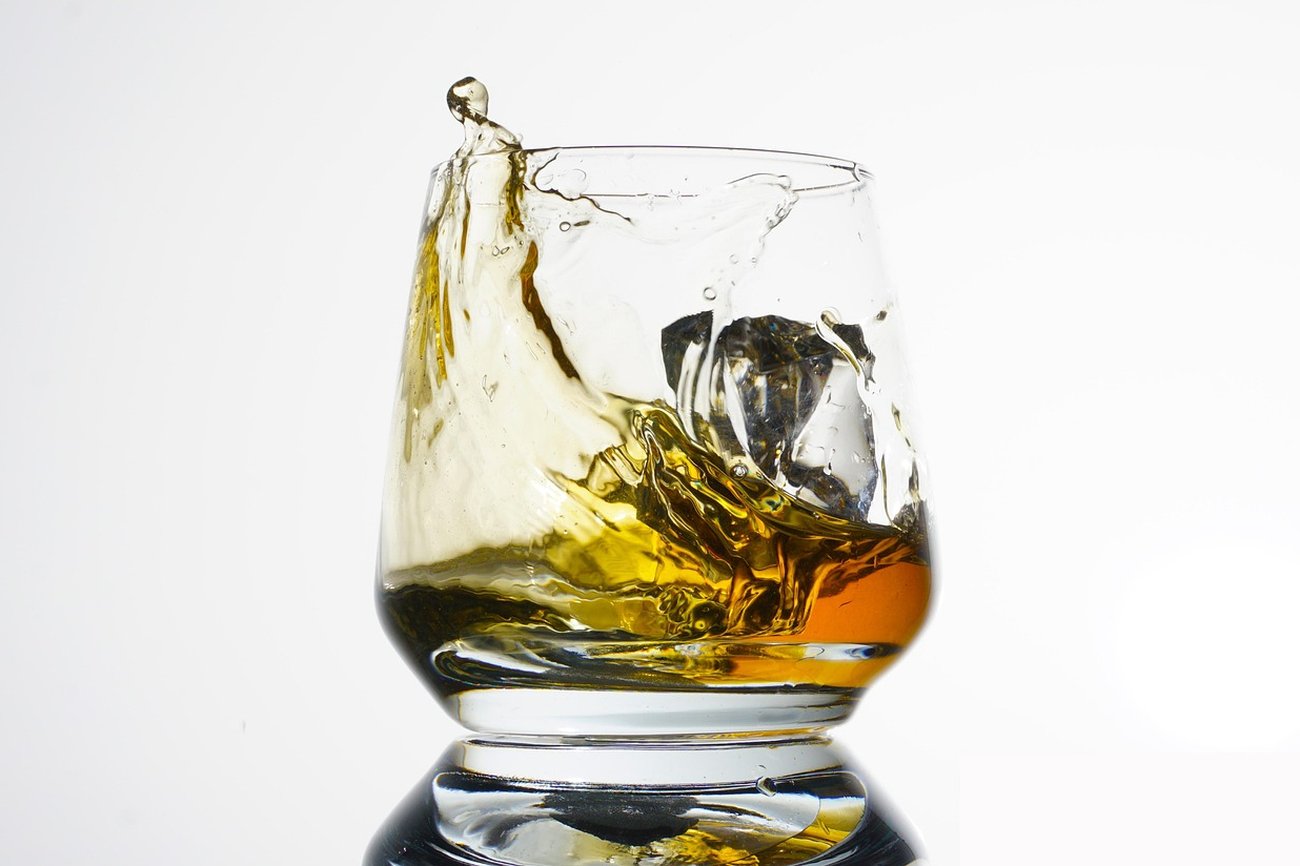
The frozen stuff you barely think about is doing more work in your cocktail than almost anything else on the counter.
American rye whiskey didn't disappear because people stopped liking it. It disappeared because of paperwork, politics, and Prohibition.